
Skin Cancer Management in Scarborough
Understanding your diagnosis and next steps
A confirmed skin cancer diagnosis can feel confronting, but management in general practice is structured, evidence-based, and often highly effective when treated early. In Scarborough and across coastal Queensland, skin cancers such as basal cell carcinoma (BCC), squamous cell carcinoma (SCC), and precancerous lesions like actinic keratosis are commonly managed within GP settings.
Early treatment focuses on complete removal or destruction of abnormal cells while preserving surrounding healthy tissue.
Book an appointment: https://www.onyxhealth.com.au/locations-scarborough/bookings
Call: 07 3062 7455
Email: Reception.Scarborough@onyxhealth.com.au
Address: 85 Landsborough Avenue, Scarborough, QLD, 4020.
Opening Hours Monday - Friday: 8am to 5pm Saturday & Sunday: 9am to 2pm
Common treatment pathways in general practice
Your GP selects treatment based on lesion type, size, depth, and location. The goal is complete clearance with minimal recurrence risk.
Cryotherapy (liquid nitrogen)
Used for superficial lesions such as actinic keratoses. The GP freezes abnormal cells, causing them to break down and shed over days to weeks.
Surgical excision
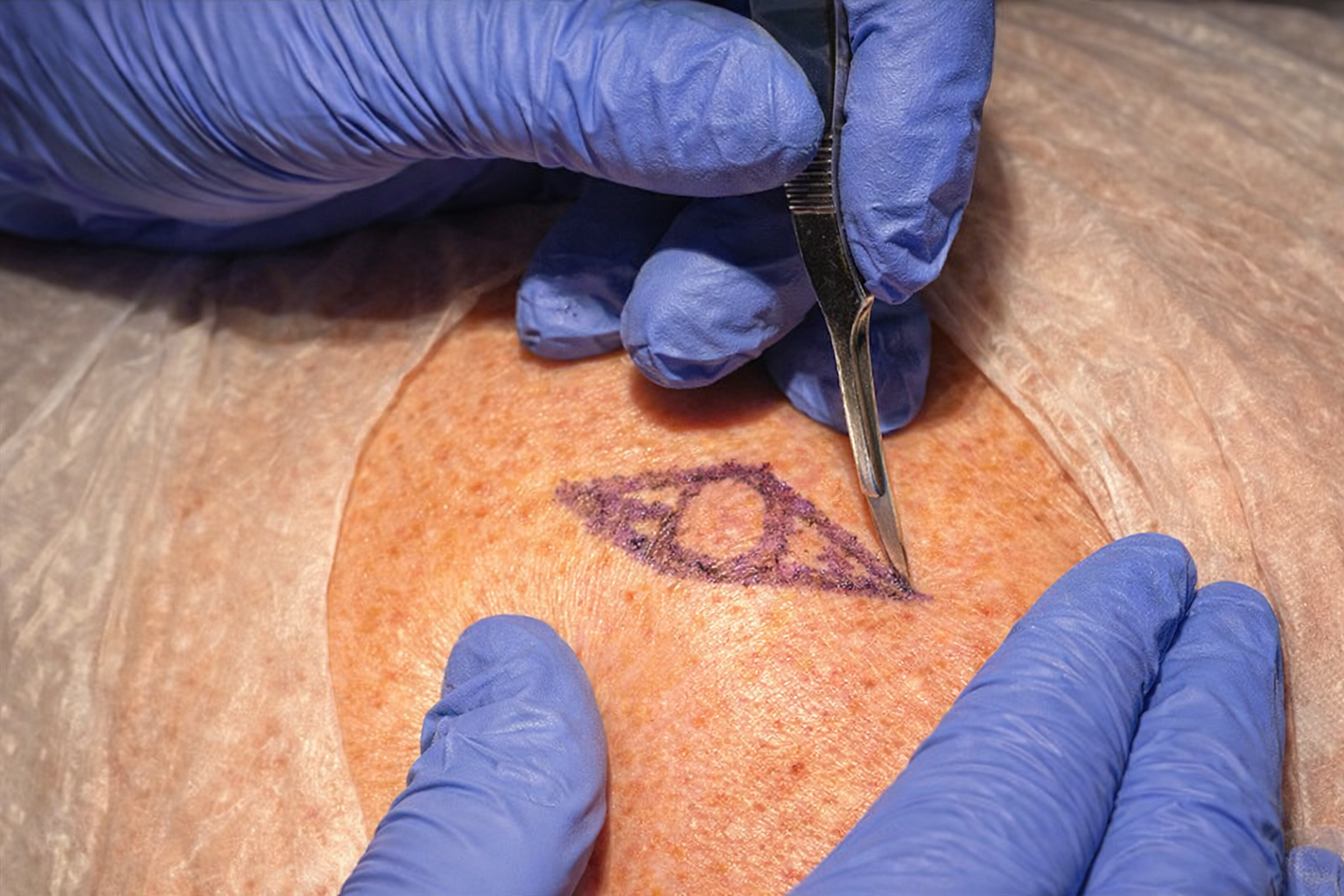
A precise removal of the lesion with a margin of normal skin. This is commonly used for BCC and SCC and allows tissue to be sent for histopathology to confirm complete removal.
Curettage and cautery
The lesion is scraped (curettage) and the base treated with heat (cautery). This is suitable for selected superficial cancers and pre-cancerous lesions.
Topical therapies
Prescription creams (e.g. for actinic keratosis or superficial BCC) stimulate immune response or destroy abnormal cells over several weeks. These require careful GP supervision.
These services form part of comprehensive skin cancer care in general practice settings .
What your GP is assessing clinically
Management is not just about removing a lesion. Your GP is also evaluating:
Histological type (how aggressive the cancer is)
Margins (whether it has been fully removed)
Risk of recurrence or spread
Your overall skin cancer risk profile
Sun damage patterns across your skin
This determines whether you need further treatment, wider excision, or ongoing monitoring.
Ongoing care and follow-up
Skin cancer management includes structured follow-up. You may need:
Wound review and healing assessment
Review of pathology results
Scheduled skin surveillance
Preventive strategies for future lesions
Continuity of care is essential, especially in high UV regions like Moreton Bay.
When to return to your GP
After treatment, you should seek review if you notice:
A wound that is not healing as expected
Regrowth at the treatment site
New or changing lesions elsewhere
Persistent redness, bleeding, or scaling
Even after successful treatment, your future risk remains higher than average.
Your next steps
Skin cancer management is not a one-off event. It is an ongoing process involving treatment, monitoring, and prevention.
Your GP will guide you through:
Confirming complete treatment
Planning future skin checks
Reducing long-term risk
“This article provides general health information only and does not replace medical advice. Please speak with your GP for personalised care.”
Book online now at https://www.onyxhealth.com.au/locations-scarborough/bookings, call 07 3062 7455 to speak with reception, email Reception.Scarborough@onyxhealth.com.au, or visit Onyx Health Scarborough at 85 Landsborough Avenue, Scarborough, QLD 4020.